Public speaking can be a challenge, but many online resources are available to guide you. Toastmasters gives foundational advice, Coursera hosts structured lessons, and MindTools has a wealth of articles. In this article, we take a closer look at these platforms and a few more, giving you an overview of what each one offers.
Becoming a confident public speaker can take time. While some may have a natural knack for it, others might need a bit of guidance. Luckily, there are plenty of free resources online to help you out. So, before considering paid seminars, check out the wealth of content available at no cost. The free advice, open courses and videos below can help you get started; Coursera and MindTools have access limits, which we explain beside their entries.
Contents
1. Toastmasters International
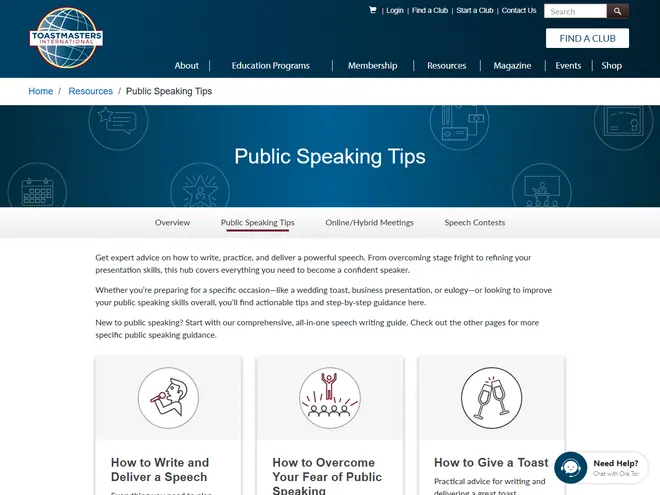
Since 1924, Toastmasters has been one of the most authoritative organizations providing pieces of training and certifications to aspiring and established public speakers all over the globe.
Toastmasters works with speakers around the world, from beginners to experienced professionals. Its public speaking tips are free to read, while club membership and the Pathways education program require paid membership. Start with the guides to writing a speech, managing speaking nerves, giving a toast and preparing a eulogy.
2. Coursera
Luckily, educators found a way to keep up with the advent of cyberage. When schooling is carried out face to face inside classrooms before, students can now opt to learn remotely at home with the help of instructional materials made by professors.
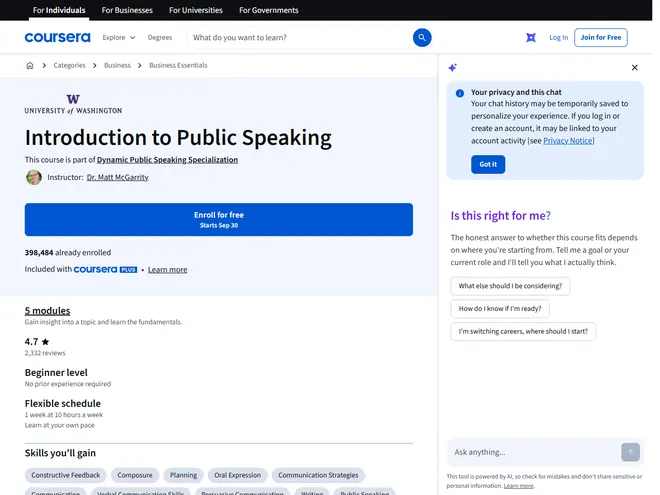
One website that offers opportunities for remote learning is Coursera. It hosts courses from universities and other education providers, including a public speaking course taught by Dr. Matt McGarrity.
Coursera’s Introduction to Public Speaking, offered by the University of Washington, has five modules covering speech structure, delivery, rehearsal and speaking anxiety. Do not assume that “Enroll for free” means the whole course and certificate are free. Access to materials and assignments depends on the enrollment option; a trial or a no-certificate option may be available. Check the options shown to you before enrolling, including any payment required after a trial.
3. MindTools
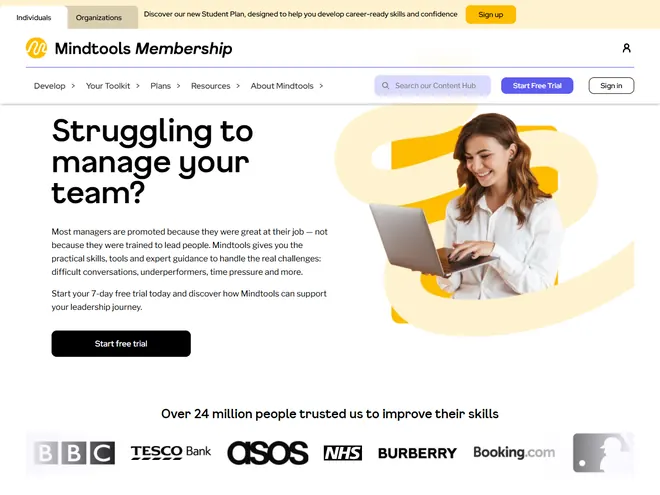
MindTools is a simple to use platform that helps users improve writing skills, public speaking skills, leadership skills, and communications skills. It is aimed at workplace learning, so it can be useful when your speaking goals involve meetings, leadership or presentations.
Search for public speaking or presentation skills to find relevant material. MindTools is primarily a paid membership service and currently advertises a seven-day free trial. Some content may be readable without membership, but do not expect unrestricted free access to its library. Check the trial and renewal terms before signing up; use OpenLearn or the Public Speaking Project textbook below if you want a free course or extended reading.
4. OpenLearn: Talk the Talk
For a structured course you can study at no cost, try Talk the Talk from The Open University’s OpenLearn. This free introductory course has four weeks of material and an estimated 12 hours of study. You examine example talks, plan your own presentation and practise bringing its parts together.
The lessons cover openings, conclusions, transitions, body language, audience needs and visual aids. You can start reading the course without signing up. A free account lets you track progress, access all course quizzes and activities, and earn a Statement of Participation on completion.
Choose this resource if you want to work towards a finished talk rather than browse isolated tips. Leave time to rehearse aloud as you work through the exercises.
5. Quick&Dirty Tips
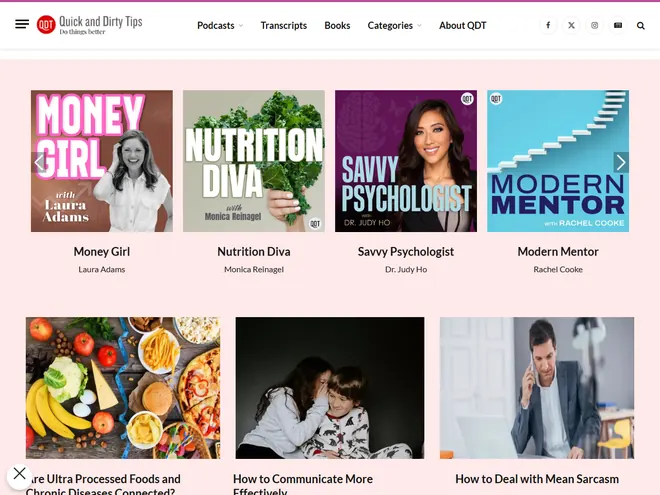
The website’s quirky name might raise an eyebrow, but don’t be misled. It’s packed with expert content and is a valuable resource if you’re seeking free insights on public speaking.
Quick&Dirty Tips provides you with two options ; articles and podcasts. Go for podcasts if you want to learn a thing or two about public speaking while doing another task. On the other hand, go for articles if reading makes you learn faster.
Some reads that we recommend are:
- Be Your Own Public Speaking Coach
- Overcome Your Public Speaking Fear
- 5 1/2 Public Speaking Lessons From Golden Globes
- Vocal Exercises for Better Public Speaking
- How Can I Control Sweating While Public Speaking?
6. The Public Speaking Project
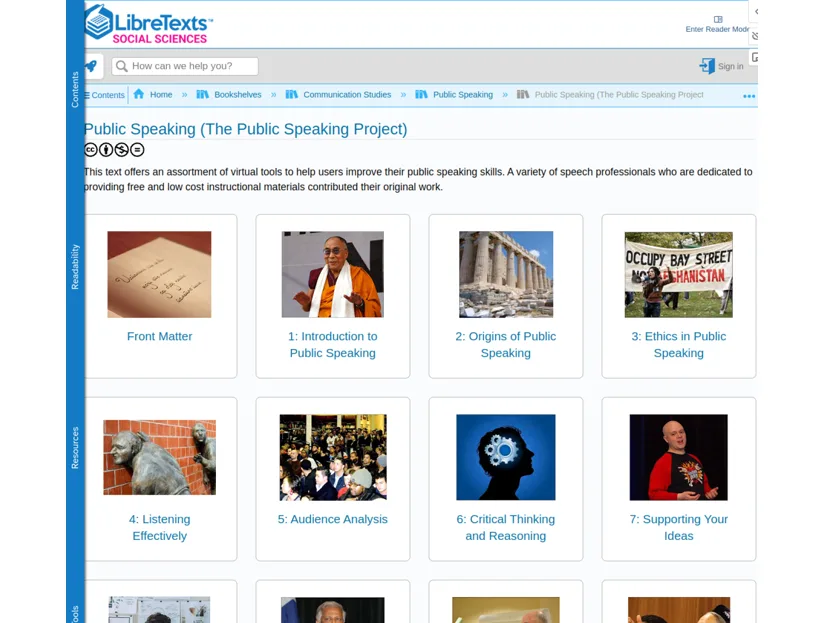
The Public Speaking Project textbook on LibreTexts is a free online resource for readers who want a fuller introduction to public speaking. Its chapters cover audience analysis, research, speech outlines, introductions, conclusions, confident delivery and visual aids. Use this hosted edition rather than the project’s old website.
You can read individual chapters in your browser and use the questions and activities to check your understanding. If you already have a speech assignment, start with organizing and outlining, then work through the delivery chapters as you rehearse.
7. Presentation Zen
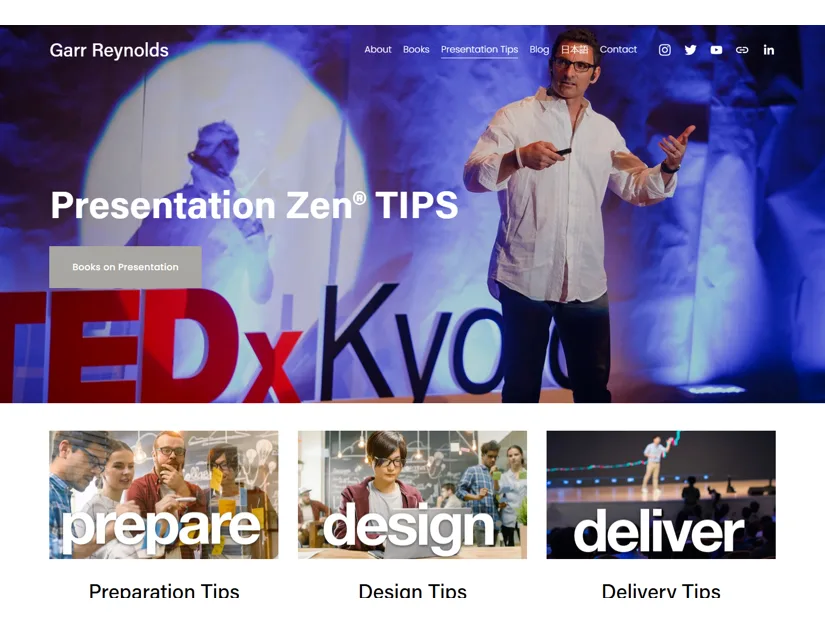
A compelling presentation can significantly enhance your public speaking, helping convey your points clearly and effectively. If you’re seeking online resources to refine your presentation skills, visit Presentation Zen.
Presentation Zen is owned by Garr Reynolds – public speaker, presenter, blogger, writer, musician, and an educator. With that said, this website is great as it’s founded by a guy who has a solid work portfolio as a presenter and public speaker.
What does Presentation Zen offer? Garr Reynolds’s free Presentation Zen Tips page brings together advice on preparation, design and delivery, with sections for online presentations and video lessons. The old Typepad blog address no longer hosts the articles, so use this current tips page. Books and paid services are separate from the free web advice.
8. Purdue OWL: Public Speaking and Presentations
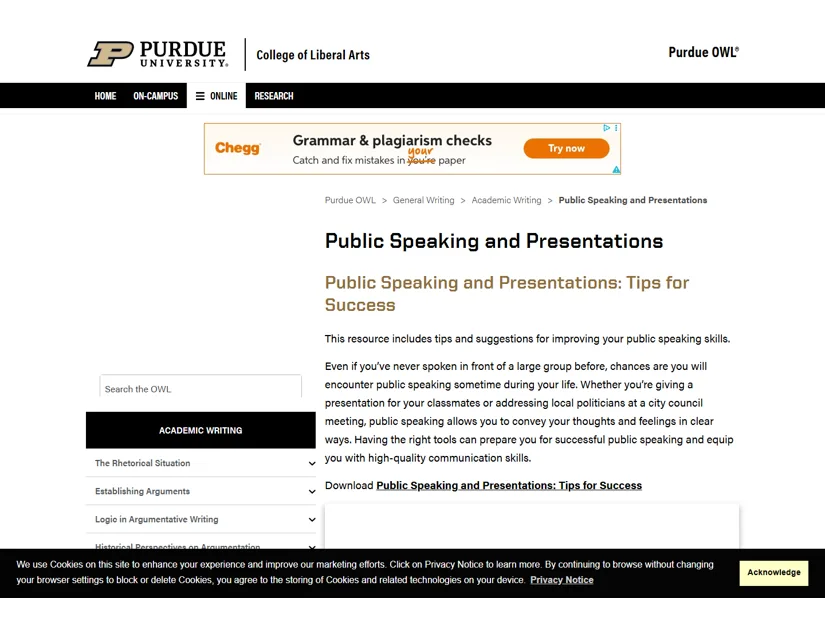
Purdue OWL’s Public Speaking and Presentations is a useful starting point when you need a short guide rather than a full course. The page links to a free downloadable handout, Public Speaking and Presentations: Tips for Success. You can use it without joining a membership program.
The handout discusses understanding your audience, choosing a few main points, rehearsing, body language and using visual aids. Keep it beside your speech outline for a final preparation check, especially if you are giving a classroom or community presentation.
9. Fripp
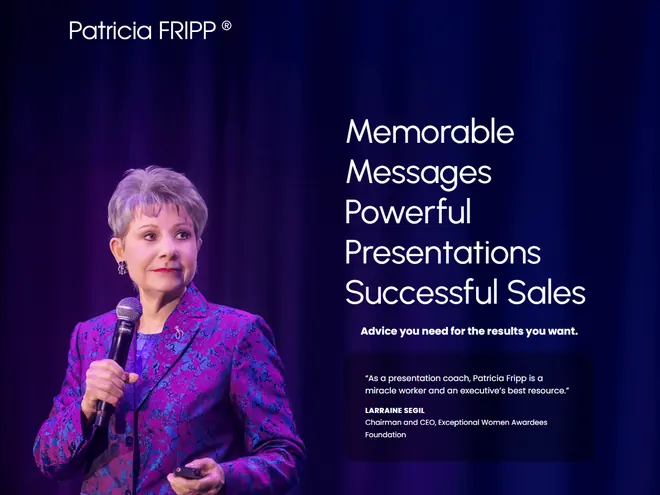
If presentations challenge you, consider exploring Fripp. The site is curated by Patricia Fripp, a respected speaker and coach with over 30 years of experience. It’s a platform where you can gain insights from her vast knowledge in visual presentation.
Fripp’s blog section provides free insightful articles about structuring presentations, opening presentations, closing presentations, and many more. Aside from blogs, Fripp also offers paid executive coaching , sales training, virtual training, and public speaking training.
10. TED Talks on Public Speaking
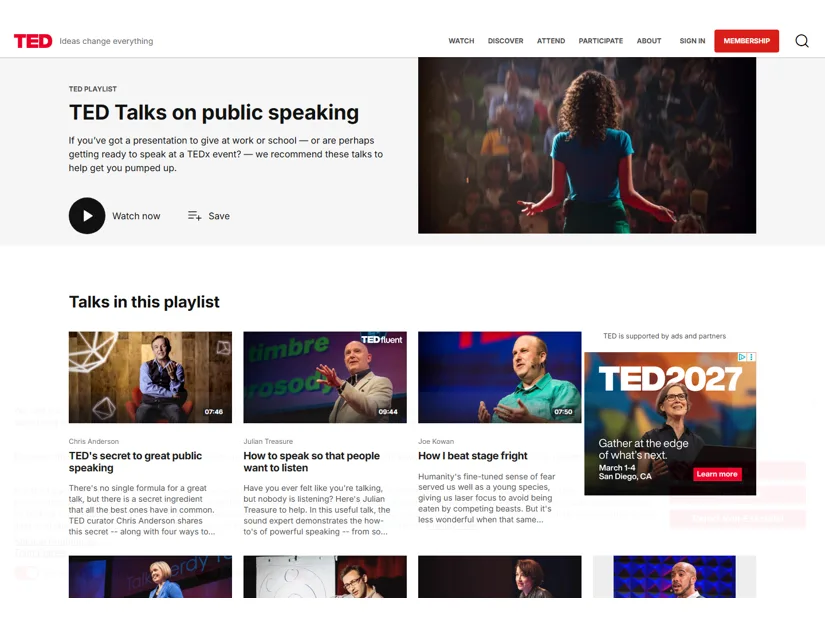
Instead of starting with a general video search, open TED’s TED Talks on public speaking playlist. This free collection gives you specific talks about speaking clearly, dealing with stage fright and explaining ideas to an audience. It is a practical choice when you want to see a technique demonstrated.
Start with Chris Anderson’s TED’s secret to great public speaking for shaping a central idea, Julian Treasure’s How to speak so that people want to listen for voice and delivery, or Melissa Marshall’s Talk nerdy to me for explaining technical subjects. Watch one talk, note a technique you can use, and try it in your next rehearsal.
More Public Speaking Resources on YouTube
There are many other great public speaking resources on YouTube. Popular channels worth exploring include TED for examples of talks, Communication Coach Alexander Lyon for public speaking and workplace communication lessons, and Vinh Giang for voice and delivery demonstrations. Their free videos are a starting point; any paid courses or coaching they promote are separate.
What makes YouTube particularly useful is that you can watch real speakers in action rather than just reading theory. Try queueing up a short list: one speech you admire, one analysis of a speech, and one tutorial on a specific skill such as pacing, eye contact or handling a tough question. Keep a short notes file of techniques you want to try, then record a practice talk to hear how they work in your own delivery.
Conclusion
Currently, mastering public speaking doesn’t require a hefty price tag. The internet is brimming with valuable resources, and the ones we’ve highlighted are just the tip of the iceberg.
- Toastmasters offers free speaking advice, while OpenLearn provides a free structured course.
- Purdue OWL and the Public Speaking Project provide free guides for planning and delivering a speech.
- Presentation Zen and Fripp offer advice on presentation design, structure and delivery.
- YouTube has channels dedicated to public speaking tips.
- While many tools are free, some offer premium content for deeper insights.
Coursera and MindTools have access restrictions, and several other sites sell books, courses or coaching alongside their free material. Start with the free resources that fit the speech you need to give before deciding whether paid help would be useful.
We recommend exploring the sites we’ve mentioned. Many public speakers trust and frequent them, so they’re well worth your time.